
Why Gas Stations Need the Right EV Charging Setup
Gas stations thrive on fast turnover, high reliability, and minimal installation hassle. EV drivers want speed and convenience—they won’t wait 45 minutes like they might at a shopping center. A poor charger choice leads to long lines, frustrated drivers, wasted power capacity, and expensive retrofits. The right system delivers:
- Rapid charging that fits the “fuel‑stop mindset”
- Compatibility with all EV models
- Easy integration with existing station layout
- Strong ROI through high utilization and low maintenance
Just as automatic tool‑length adjustment transforms panel benders, smart charging design turns gas stations into profitable EV hubs.
Core EV Charger Types for Gas Stations
We’ll focus on the two categories that dominate commercial forecourt deployment, with clear tradeoffs similar to fixed‑module vs fine‑insert tooling.
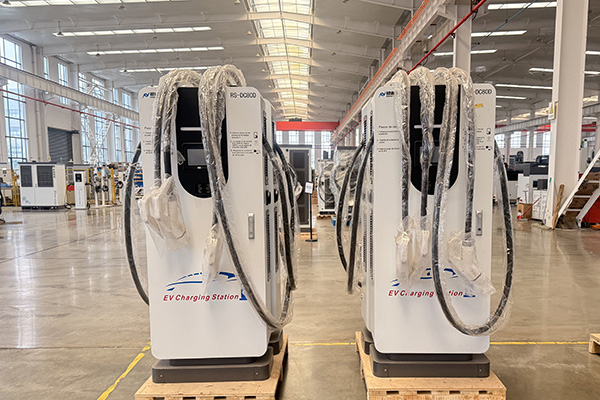
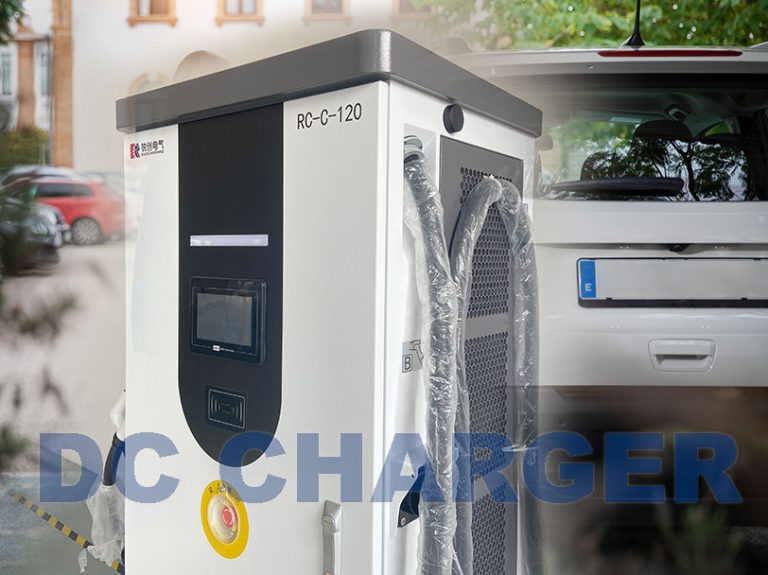
1. Standard Modular DC Fast Chargers (High‑Volume, Standardized)
Like automatic panel layout with fixed‑width modules, these chargers use standardized power blocks for simplicity and speed.
- Typical power: 120kW–180kW
- Design: Modular power units, fixed output steps
- Strengths:
- Extremely fast switchover between vehicles
- Simple control and low failure rate
- Lower upfront cost and easy maintenance
- Ideal for steady, predictable traffic
- Limitation:
- Coarse power adjustment—can’t perfectly match every vehicle’s ideal curve
- May waste capacity or leave demand unmet during peak loads
Best for:
High‑volume highway stops, consistent fleet traffic, standardized EV models, and operators prioritizing speed and cost efficiency.
This is the automatic tool changer of EV charging: main power modules + fine adjustment to match any vehicle perfectly.
- Typical power: 240kW–480kW+
- Design: Liquid cooling, dynamic power allocation, small tuning increments
- Strengths:
- Near‑exact power matching for 400V and 800V platforms
- Ultra‑fast charging: 10–15 mins for 150–200+ miles
- Scalable for mixed traffic (sedans, SUVs, vans, EV trucks)
- Lower heat stress and longer service life
- Tradeoff:
- Slightly more complex controls
- Higher initial investment
Best for:
Urban stations, mixed premium/standard traffic, custom or high‑performance EVs, and operators focused on long‑term uptime and customer loyalty.
Head‑to‑Head Comparison: Modular Standard vs High‑Power Liquid‑Cooled
| Dimension | Standard Modular DC Fast Charger | High‑Power Liquid‑Cooled Charger |
|---|---|---|
| Power Architecture | Fixed modular blocks | Main modules + fine dynamic adjustment |
| Minimum Adjustment Step | Fixed power increments | Milliwatt‑level fine tuning |
| Matching Precision | Coarse, step‑based | Near‑perfect for any EV |
| Complexity | Simple, robust controls | Moderate, intelligent load management |
| Speed | Fast, consistent | Ultra‑fast, optimized per vehicle |
| Ideal Use Case | High‑volume, standardized traffic | High‑mix, premium, variable demand |
| Total Cost Profile | Lower upfront, simple upkeep | Higher upfront, better long‑term ROI |
When to Choose Which: Practical Operator Guidance
Choose Standard Modular DC Fast Chargers if:
- Your traffic is steady, predictable, and mostly mainstream EVs
- You want fast installation and minimal training
- Budget is constrained but you need reliable, high‑throughput charging
- Most sessions follow similar power needs
Choose High‑Power Liquid‑Cooled Chargers if:
- You serve a high‑mix of vehicles (old, new, 400V, 800V, performance models)
- You want to minimize wait times and maximize customer satisfaction
- You’re planning for 5+ years of EV evolution
- Rework, downtime, or reputation risk is costly
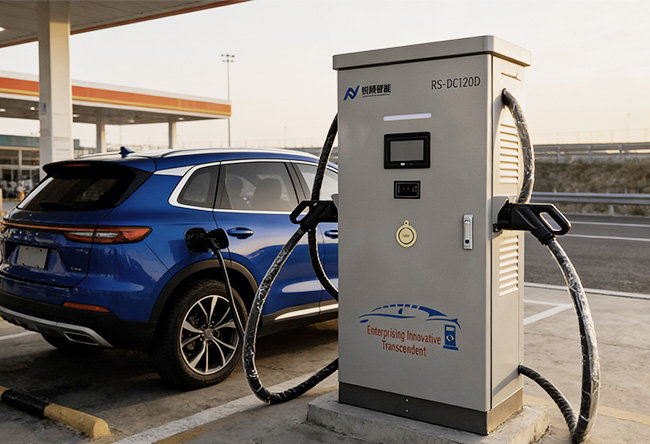
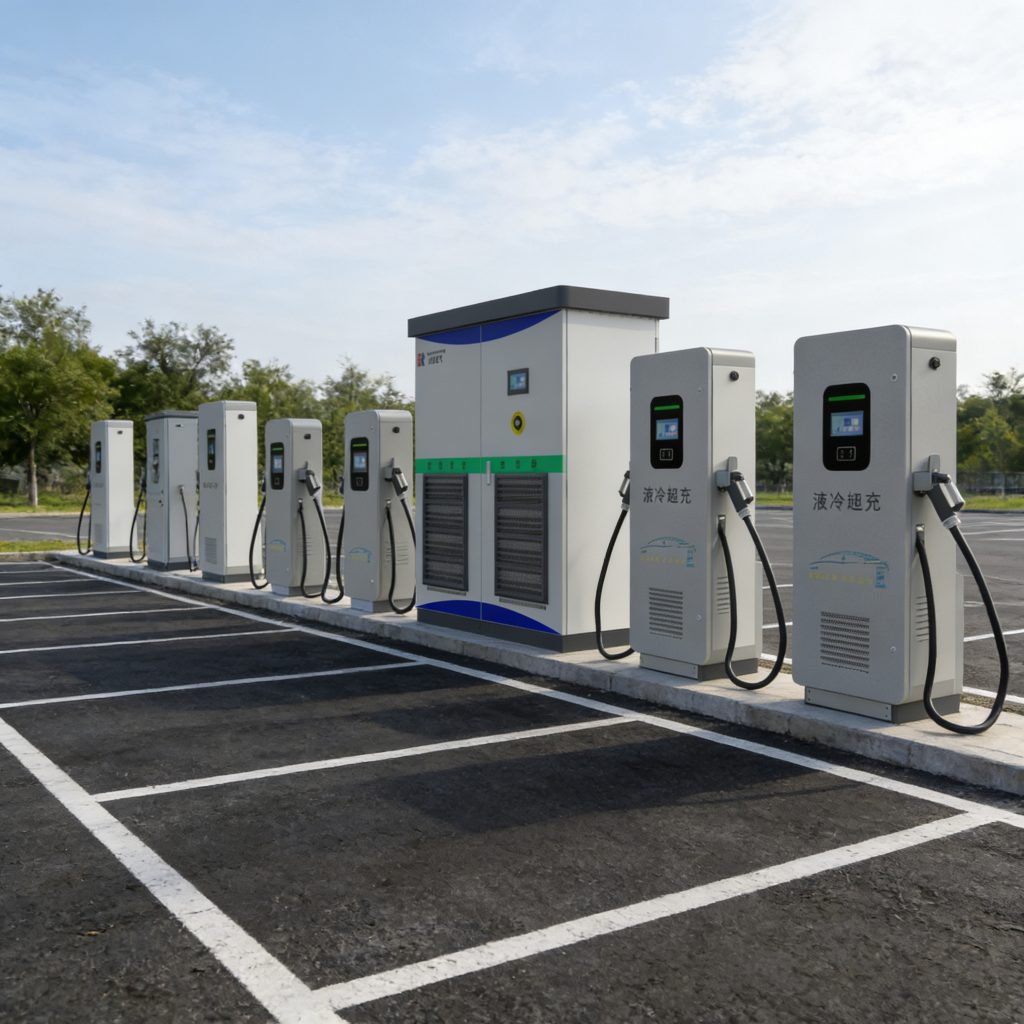
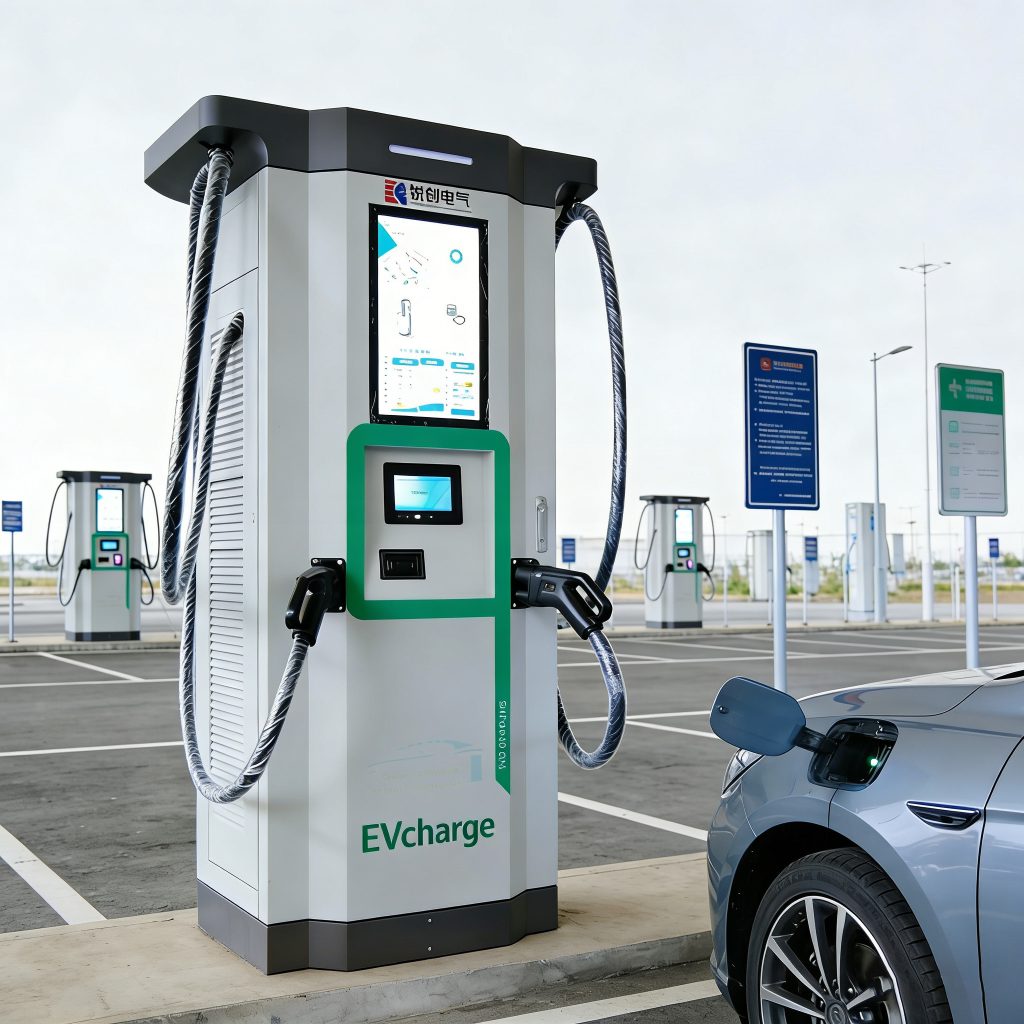
2026 Top Recommendations for Gas Station EV Chargers
Key Buying & Deployment Checklist for Gas Stations
- Evaluate your traffic mix: What percentage of vehicles need high‑power fine tuning?
- Grid capacity: Can you support high‑power units, or do you need battery‑integrated systems?
- Site layout: Does your forecourt support liquid‑cooled cabling and spacing?
- Total cost of ownership: Upfront price vs long‑term efficiency, maintenance, and utilization
- Integration: Compatibility with your POS, customer apps, and remote monitoring
Choose by Your Business, Not Just Hype
The “best” EV charger depends on your operation—not flashy specs. Standard modular chargers deliver speed and value for high‑volume, consistent fuel‑stop traffic. High‑power liquid‑cooled chargers bring precision, flexibility, and future readiness for mixed, premium, or evolving demand.