
Introduction
The rapid growth of electric vehicles (EVs) is creating new opportunities for charging infrastructure development. However, in some areas, building a traditional EV charging station connected to the power grid can be challenging due to limited grid capacity, high electricity costs, or remote locations.
A Solar + BESS + EV Charging Station provides an alternative solution by combining renewable energy generation, battery energy storage systems, and EV chargers into one integrated system.
This solution can provide reliable EV charging services even in areas with weak grid connection or without grid access, making it ideal for remote locations, commercial fleets, highway charging stations, and sustainable transportation projects.
What Is a Solar + BESS + EV Charging Station?
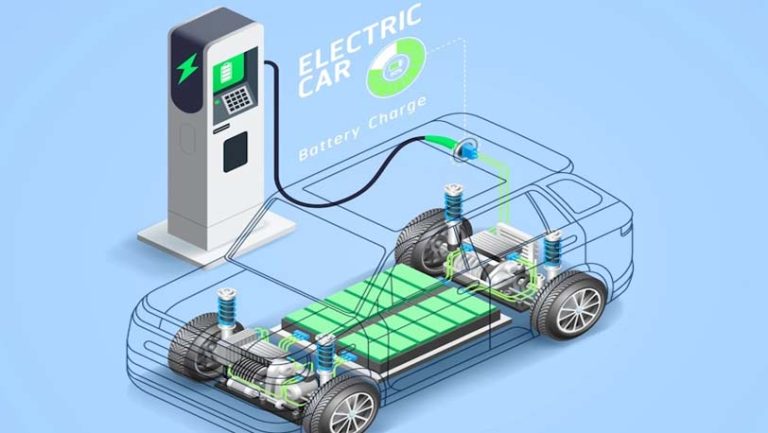
A Solar + BESS + EV Charging Station is an integrated energy system that uses solar panels to generate electricity, stores excess energy in a Battery Energy Storage System (BESS), and supplies power to electric vehicle chargers.
The basic working process is:
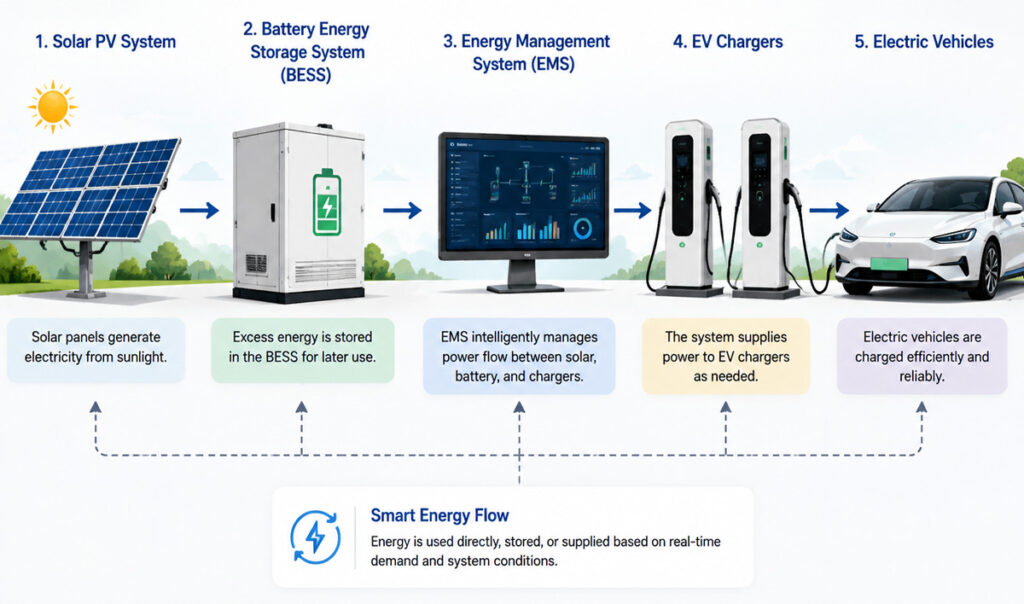
During the daytime, solar panels produce electricity. The energy can be directly used for EV charging, while excess electricity is stored in the battery.
When solar power is unavailable, such as at night or during cloudy weather, the BESS provides stored energy to continue operating the charging station.
Why Choose Solar + BESS for EV Charging?
1. Charging Stations Can Operate Without Grid Connection
Traditional EV charging stations usually depend on the local power grid. However, in remote areas, the grid may not have enough capacity or connecting to the grid may require significant investment.
An off-grid EV charging station powered by solar and battery storage can operate independently without relying completely on the electrical grid.
Typical applications include:
- Remote highways
- Mining areas
- Rural communities
- Tourist destinations
- Fleet charging depots
- Off-grid commercial projects
2. Reduce Electricity Costs
Electricity prices can vary depending on location and time of use.
With solar power generation, charging station operators can reduce dependence on expensive grid electricity.
A smart energy management system can also:
- Prioritize solar energy usage
- Store electricity when energy costs are lower
- Reduce peak demand charges
This helps improve the long-term operating economics of EV charging stations.
3. Provide Reliable Power for EV Charging
For commercial EV charging projects, stable power supply is essential.
A BESS helps balance energy demand by:
- Supporting high-power charging
- Reducing pressure on the grid
- Providing backup power during outages
For example, a charging station with multiple DC fast chargers may require a large amount of power in a short period. The battery storage system can provide additional energy support when charging demand increases.
How Does BESS Work in an EV Charging Station?
A Battery Energy Storage System is more than just a large battery. It includes:
- Battery modules
- Battery management system (BMS)
- Power conversion system (PCS)
- Energy management system (EMS)
- Safety protection systems
The BESS monitors energy production and consumption, then automatically manages power flow between:
- Solar system
- Battery storage
- EV chargers
- Grid (if available)
This intelligent control ensures efficient and safe operation.
Key Components of a Solar + BESS + EV Charging System
1. Solar PV System
The photovoltaic system converts sunlight into electricity.
The required solar capacity depends on:
- Daily charging demand
- Local solar radiation
- Number of EV chargers
- Required operating hours
A professional system design considers the balance between solar generation and charging requirements.
2. Battery Energy Storage System (BESS)
The BESS stores electricity generated from solar panels and releases energy when needed.
Important factors include:
- Battery capacity (kWh/MWh)
- Output power (kW)
- Backup time
- Battery lifespan
- Safety features
For large commercial projects, BESS capacity is usually measured in MWh.
3. EV Chargers
The charging equipment depends on the application.
Common options include:
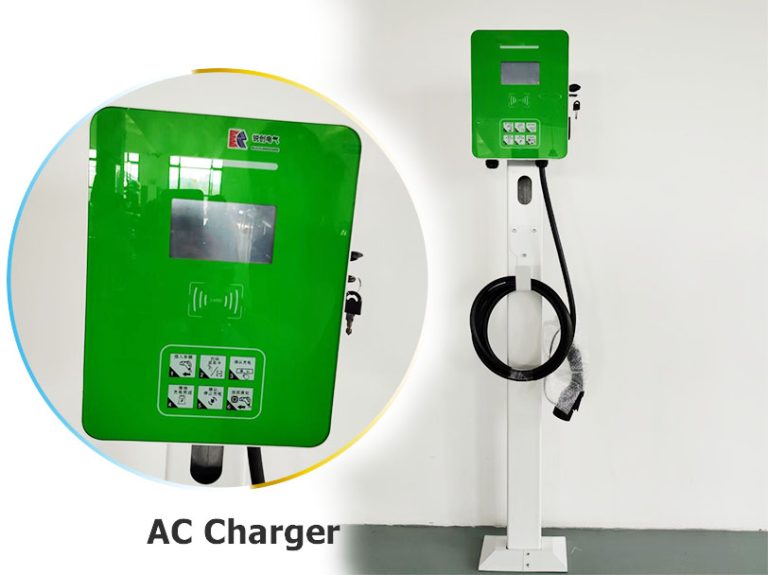
AC EV Chargers
Suitable for:
- Offices
- Hotels
- Residential charging
- Long parking time applications
Power range:
7kW / 11kW / 22kW
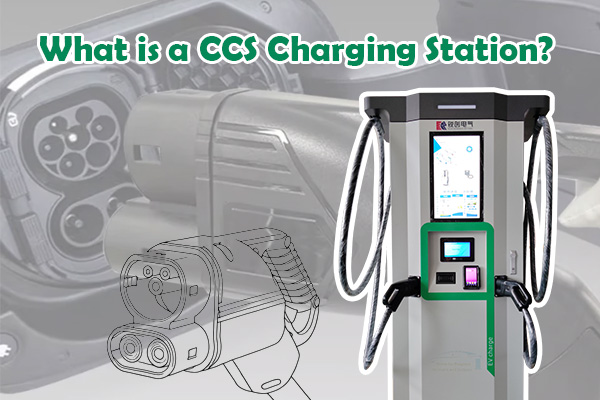
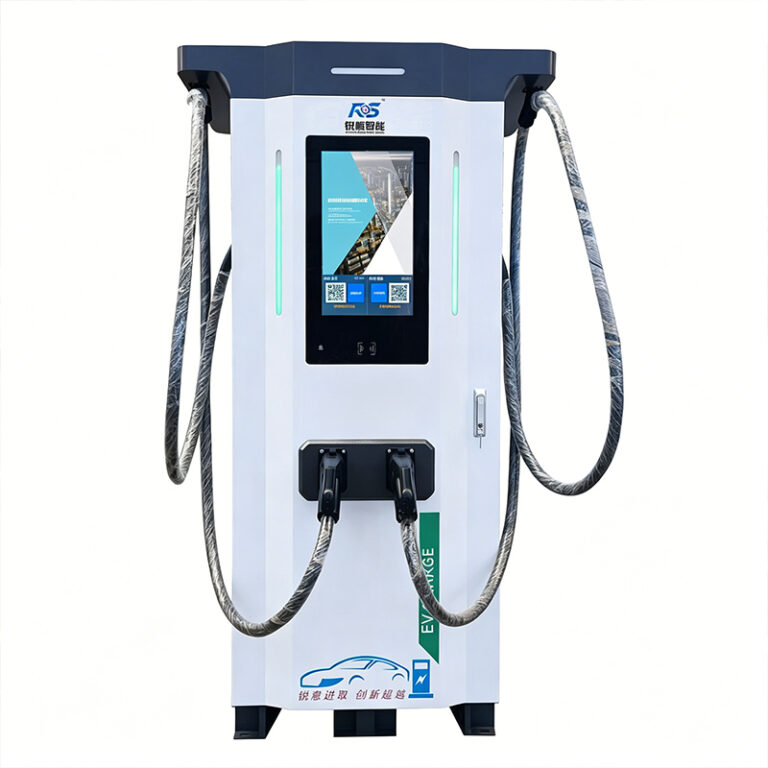
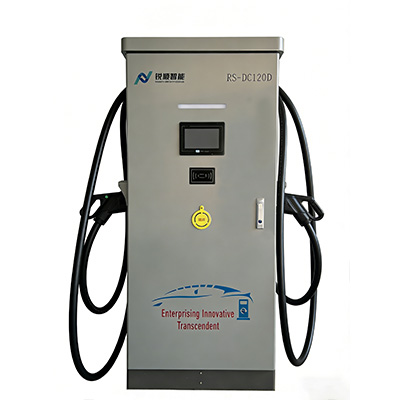
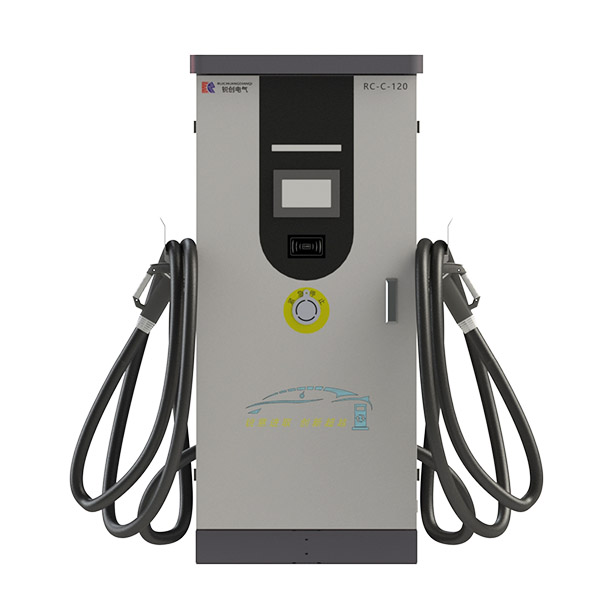
DC Fast Chargers
Suitable for:
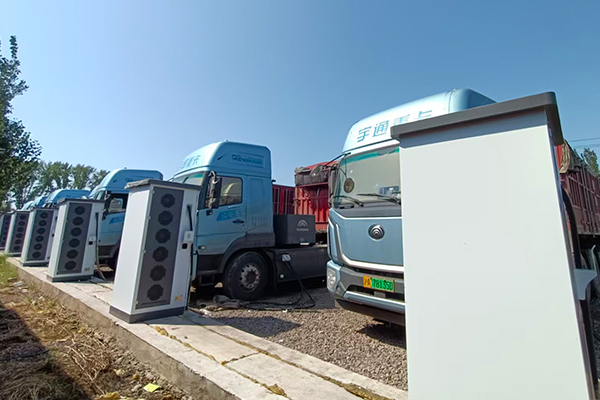
- Highway charging stations
- Fleet vehicles
- Commercial charging
Power range: 60kW, 120kW, 180kW, 240kW and higher
4. Energy Management System (EMS)
The EMS is the "brain" of the system.
It controls:
- Solar energy usage
- Battery charging and discharging
- EV charging priority
- Power distribution
A smart EMS improves system efficiency and helps operators manage energy consumption.
How to Design an Off-Grid EV Charging Station?
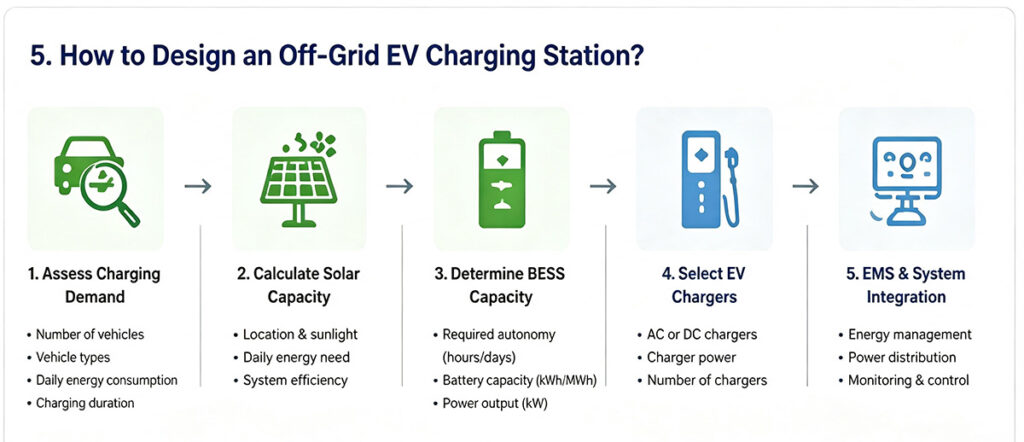
1. EV Charging Demand
The system designer needs to understand:
- Number of vehicles
- Vehicle types
- Daily charging frequency
- Required charging speed
For example:
A passenger car charging station requires different capacity compared with an electric truck charging station.
2. Solar Capacity
Solar panel capacity depends on:
- Location
- Weather conditions
- Energy demand
A site with more sunlight may require fewer solar panels compared with areas with lower solar radiation.
3. Battery Capacity
BESS size depends on:
- Required backup hours
- Daily energy consumption
- Charging load
For projects requiring several days of autonomy, a larger battery capacity is necessary.
Applications of Solar + BESS + EV Charging Solutions
Remote EV Charging Stations
For areas where grid connection is difficult, solar and storage provide a practical charging solution.
Fleet Charging Stations
Companies operating electric buses, trucks, or delivery vehicles can use solar + storage systems to reduce operating costs.
Commercial Charging Infrastructure
Shopping centers, hotels, and business parks can integrate renewable energy into their EV charging facilities.
What Are the Benefits for Project Owners?
A Solar + BESS + EV Charging solution can provide:
✔ Independent energy supply
✔ Lower electricity costs
✔ Renewable energy utilization
✔ Stable charging operation
✔ Scalable future expansion
✔ Reduced carbon emissions
Conclusion
Solar + BESS + EV Charging Stations are becoming an important solution for the future of EV infrastructure, especially in locations where grid power is limited or unavailable.
By integrating solar generation, battery storage, intelligent energy management, and reliable EV chargers, project owners can build sustainable and efficient charging networks.
For companies planning an off-grid EV charging station or a solar-powered EV charging project, choosing the right system design and equipment supplier is essential for long-term success.
Risen provides professional EV charging solutions and supports customized charging infrastructure projects, including AC chargers, DC fast chargers, and integrated solar-storage-charging applications.